Jacksonville Listings Hold Steady as Mortgage Rates Jump

Jacksonville’s September listing market changed very little on the surface. Asking prices were nearly flat, active inventory edged slightly higher, and homes continued to take time to sell.
Financing conditions, however, changed considerably.
The national average 30-year mortgage rate jumped from 7.03% to 7.28% during the week ending October 1—the largest weekly increase in four years. That creates a market where buyers may have negotiating leverage on the property but less flexibility within their monthly payment.
The Jacksonville metropolitan area recorded a median listing price of $379,000 in September, according to Realtor.com data published through the Federal Reserve Bank of St. Louis.
That was down only $1,000 from August’s $380,000 median asking price. The median price per square foot also eased slightly, from $214 to $213.
These are asking-price figures, not final sale prices. The data also cover the broader Jacksonville metro and include single-family homes, condominiums, and townhomes. They should not be interpreted as saying that every Jacksonville property declined—or that a particular home is worth $379,000.
Still, the lack of significant monthly movement suggests that sellers did not make a broad, dramatic pricing adjustment during September. Prices remained relatively steady even as affordability became more challenging.
Review the September Jacksonville inventory data. St. Louis Fed
Jacksonville had 7,799 active listings in September, compared with 7,774 in August. That is an increase of only 25 properties, or approximately 0.3%.
New listings moved in the opposite direction. There were 2,532 new listings during September, down from 2,904 in August.
Pending listings also decreased from 3,542 to 3,345.
These numbers require some context. September often experiences a seasonal slowdown as families settle into the school year and the market moves away from the busiest summer period. One month does not establish a long-term trend.
The figures also represent the entire metropolitan area rather than only move-in-ready single-family homes in ZIP codes such as 32225, 32246, 32226, 32218, 32219, or 32097.
The practical message is that inventory did not suddenly disappear, but fewer new options entered the market during September. Buyers still have choices, although a particularly well-maintained and accurately priced home can stand out against older or less-prepared inventory.
The Jacksonville metro’s median time on market increased from 65 days in August to 66 days in September.
This Realtor.com measure is different from NEFAR’s county-level single-family statistic, so the two should not be compared as if they measure exactly the same properties or transaction stage.
Nevertheless, 66 days reinforces what buyers and sellers are experiencing: the market generally allows more time for consideration than the highly competitive environment of several years ago.
Buyers may have room to investigate insurance, review major systems, obtain inspections, and compare financing options. Sellers should recognize that a longer marketing period is not unusual—but a listing that consistently receives showings without offers may be signaling a problem with price, condition, or both.
Price reductions also remained common. Jacksonville recorded 3,444 reduced listings in September, up from 3,380 during August. A reduction does not automatically make a property a bargain, but it shows that many sellers continue to adjust to buyer expectations.
Freddie Mac reported that the average 30-year fixed mortgage rate increased from 7.03% to 7.28% as of October 1. The 15-year average increased from 6.42% to 6.60%. Freddie Mac
These are national conventional-loan averages—not Jacksonville-specific quotes or a published average for VA financing. Actual rates depend on the borrower, lender, loan program, property, points, and other factors.
Still, a quarter-point movement can meaningfully affect purchasing power.
For illustration, principal and interest on a 30-year, $335,000 loan would be approximately $57 more per month at 7.28% than at 7.03%. That excludes taxes, homeowners insurance, flood insurance, HOA or CDD fees, mortgage insurance, and other expenses. It is not a loan quote.
The more important concern is cumulative movement. The 30-year average was 6.76% on September 10 and reached 7.28% three weeks later.
A buyer using an older preapproval or payment estimate may therefore be working with outdated numbers.
Buyers should ask their lender to update the projected payment before submitting an offer. They should also compare the financial effect of several possible negotiation strategies:
The best option depends on how long the buyer expects to own the home, available cash, qualification requirements, and the property itself.
A builder’s advertised rate may require the use of an affiliated lender, apply only to select inventory, include an adjustable-rate structure, or require closing by a particular date. Resale sellers may offer fewer headline incentives but greater flexibility on price, repairs, possession, or closing costs.
All offers should be compared using the full payment and cash required—not simply the advertised interest rate.
BLUF: A preapproval or quoted rate is not necessarily protected from market movement.
Military and veteran buyers should review the top of Page 1 of their Loan Estimate to determine whether the rate is locked and when that lock expires. The Consumer Financial Protection Bureau explains that an unlocked rate can change at any time. A locked rate generally remains protected through the stated period, provided the transaction closes on time and important application details do not change. Consumer Financial Protection Bureau
This is especially important for PCS buyers coordinating leave, household-goods delivery, temporary lodging, remote inspections, or a home sale at another duty station.
Ask the lender what happens if closing is delayed, whether extending the lock carries a fee, and how a different lock period affects the loan’s rate or costs. VA borrowers should also compare complete Loan Estimates from qualified lenders rather than assuming every VA loan carries identical pricing.
September’s stable asking prices do not mean every home can support an ambitious price.
Buyers are payment-sensitive, and the latest rate increase may reduce what some households can comfortably afford. Move-in-ready homes with reasonable insurance costs, documented updates, and fewer immediate repairs should be positioned more favorably than homes requiring substantial post-closing expenses.
Sellers should review active competition and builder incentives, prepare records for major improvements, and consider whether a closing-cost contribution could produce more buyer value than a similar price reduction.
Jacksonville inventory remains substantial, and many homes are taking time to sell. That creates potential negotiating room—but higher financing costs can quickly absorb part of the savings.
Update the numbers, verify the rate-lock status, obtain an early insurance estimate, and calculate the complete monthly payment before deciding what a home is worth to your household.
Jacksonville’s September listing market was relatively steady: asking prices barely moved, active inventory remained nearly unchanged, and marketing time increased by one day.
The major development occurred in financing. Mortgage rates rose sharply, making affordability and offer structure even more important.
If you are buying, selling, using VA financing, or preparing for a military move to Northeast Florida, First Coast Heroes Real Estate would be honored to help you understand the market and build a plan around your family’s needs.
This creates a market where buyers may have negotiating leverage on the property but less flexibility within their monthly payment.

Jacksonville’s housing market delivered two very different affordability signals this week.
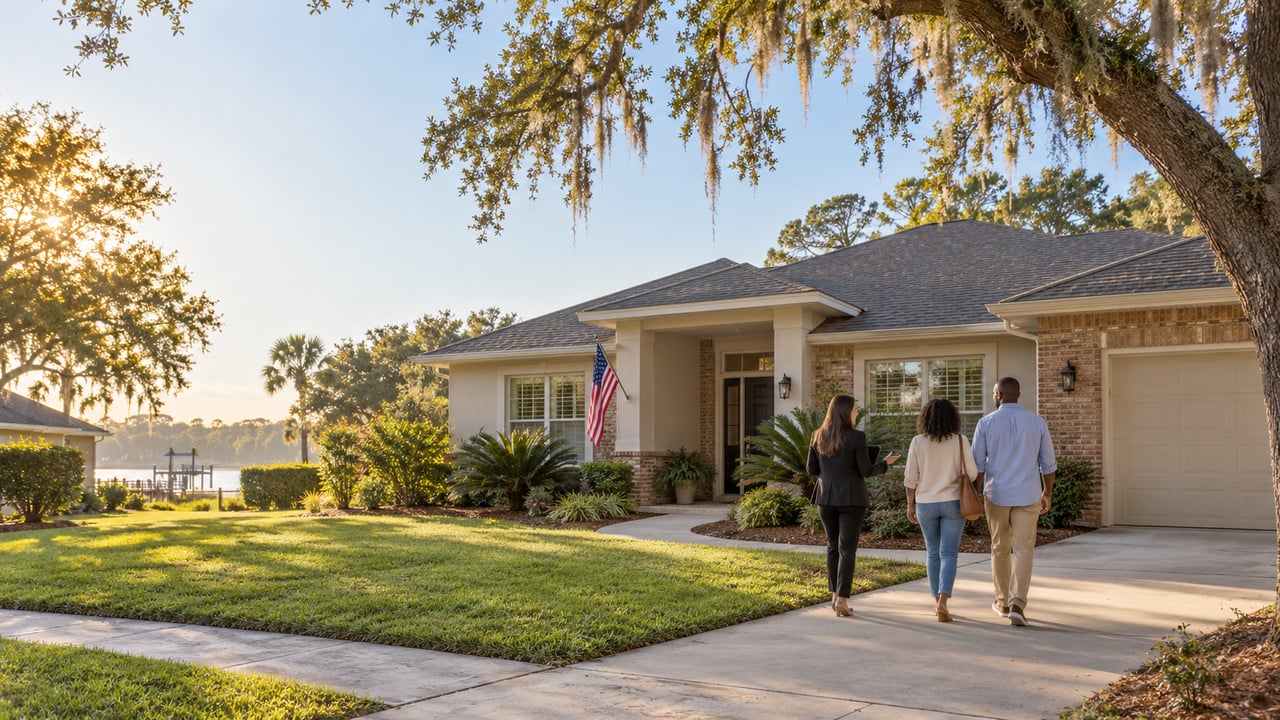
Jacksonville buyers may be entering one of the more favorable shopping periods of the year.

Buyers are still active, but they are being more selective about price, condition, and monthly payment.
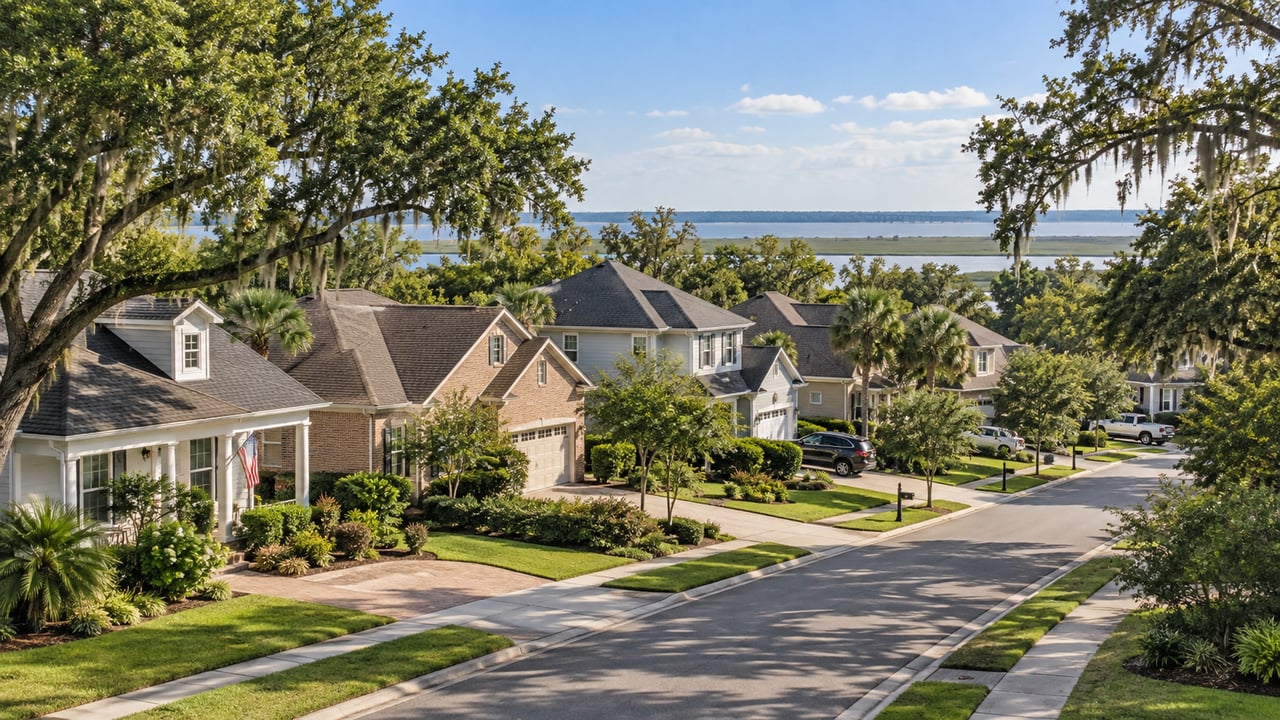
The housing market is sending buyers and sellers two different messages as we move further into September.
Buyers Have More Room to Negotiate



You’ve got questions and we can’t wait to answer them.