Jacksonville Buyers Face 7% Rates—but Insurance Brings Better News

Jacksonville’s housing market delivered two very different affordability signals this week.
The average 30-year mortgage rate moved above 7%, increasing the projected payment for buyers who have not yet locked a rate. At the same time, Florida regulators announced homeowners-insurance rate decreases affecting more than 62,000 policies.
Neither development applies equally to every household. Still, together they reinforce an important point for anyone buying or selling in Northeast Florida: the price of the home is only one part of the affordability conversation.
Freddie Mac reported that the average 30-year fixed mortgage rate increased from 6.95% to 7.03% during the week ending September 24. The average 15-year fixed rate increased from 6.26% to 6.42%. Freddie Mac
These are national averages for conventional, conforming, owner-occupied single-family loans. They are not Jacksonville-specific quotes, and they do not represent a published average for VA financing. An individual borrower’s rate will depend on the loan program, credit profile, points, lender fees, property, and timing.
Even so, the upward trend matters. The 30-year average has risen from 6.76% to 7.03% in two weeks.
Using Duval County’s August median single-family price of $335,000 as a simple illustration, financing the entire amount for 30 years would produce approximately $18 more in monthly principal and interest at 7.03% than at 6.95%. The difference becomes larger when comparing today’s rate with rates available several weeks or months earlier.
That example excludes taxes, homeowners insurance, flood insurance, community fees, mortgage insurance, and other ownership expenses. It is not a loan quote—but it illustrates why buyers should update their payment estimates as rates move.
The newest completed NEFAR statistics remain the August report, so they should not be presented as a measurement of what happened during the past week.
In August, Duval County had 3,057 active single-family homes and approximately 3.4 months of supply. The median sale price remained at $335,000, while 965 homes went under contract and 887 sales closed.
Nassau County also recorded approximately 3.4 months of supply, with 392 active homes. Its median single-family price was $456,207, and the county reported 114 pending and 114 completed sales.
Those countywide figures include many communities and price ranges. They do not tell us precisely how a move-in-ready home will perform in 32225, 32246, 32226, 32218, 32219, or Yulee’s 32097.
They do confirm that buyers generally have more choices than they did in the most competitive recent markets. Well-prepared homes can still sell quickly, but buyers may have enough time to compare properties, investigate insurance, complete inspections, and negotiate appropriate terms.
Read NEFAR’s August 2026 report. nefar.realtor
Source: Northeast Florida Association of REALTORS®.
The Florida Office of Insurance Regulation announced on September 22 that it had approved homeowners-insurance rate decreases for four companies, affecting more than 62,000 policies statewide.
The approved decreases included:
The decreases become effective at renewal for affected policies. Florida regulators also reported that 48 companies have filed for rate decreases since January 2024, while another 53 have requested no change. content.govdelivery.com
That is encouraging news, but buyers should not assume that their particular Jacksonville property will receive one of these reductions—or that every insurance quote will decline.
Premiums remain property-specific. Roof age, wind-mitigation features, replacement cost, electrical and plumbing systems, claims history, proximity to water, flood exposure, deductibles, and the insurer’s underwriting standards all matter.
A rate decrease also does not necessarily mean the renewal premium will fall by exactly the same percentage. Changes in coverage, replacement value, inspections, discounts, and property characteristics can affect the final amount.
The practical takeaway is to shop coverage rather than rely on broad statewide headlines.
With mortgage rates above 7%, buyers may be drawn toward builder promotions, temporary buydowns, or seller-paid closing costs. Those tools can be valuable, but the details deserve careful review.
For resale homes, a seller may be willing to contribute toward closing expenses or an interest-rate buydown instead of making another price reduction. For new construction, builders may advertise below-market financing on select inventory, often with qualification requirements, closing deadlines, and use of an affiliated lender.
Buyers should compare:
A lower introductory payment does not automatically make one home the better choice. The underlying price, future payment, insurance cost, and long-term fit still matter.
BLUF: A seller or builder can fund a temporary buydown on an eligible fixed-rate VA loan, but the veteran must still qualify using the full payment.
The Department of Veterans Affairs permits temporary buydowns on qualifying fixed-rate VA purchase loans. Common structures include a 2-1 buydown, which reduces the borrower’s effective payment rate during the first two years before the payment reaches the full note rate.
The seller, builder, lender, or veteran may fund the account. When a seller or builder provides the funds, VA treats them as a seller concession subject to applicable limits.
The important qualification rule is that the lender must evaluate the veteran using the full payment owed after the buydown ends—not merely the reduced first-year payment. VA Home Loans
For a PCS buyer facing moving expenses, deposits, and household setup costs, temporary payment relief may be useful. Compare it against a permanent rate buydown, price reduction, or closing-cost contribution with a qualified VA lender before deciding how to structure the offer.
Update your lender estimate before writing an offer, especially if the last calculation was completed when rates were lower.
Once you identify a home, request an insurance quote early enough to evaluate it during the appropriate inspection period. For homes with older roofs or major systems, investigate eligibility and cost rather than assuming coverage will be available on favorable terms.
Use today’s greater selection strategically. Negotiate the combination of price, repairs, closing assistance, and financing terms that produces the best overall result.
Buyers are comparing monthly costs closely. A seller who understands that concern may be able to structure a more effective offer than one who concentrates exclusively on the list price.
Prepare documentation for the roof, HVAC, electrical system, plumbing, permits, wind-mitigation features, and completed improvements. If the property is insurable at a reasonable cost, helping buyers verify that fact can strengthen its position against less-prepared homes and new construction.
Most importantly, price against the homes competing for today’s buyers—not only sales that closed several months ago.
Jacksonville buyers still have choices, but financing became more expensive last week. Florida’s latest insurance-rate decisions offer some encouraging news, although any savings will depend on the carrier, policy, and property.
For buyers and sellers, the winning strategy is to evaluate the entire transaction: price, rate, insurance, condition, fees, incentives, and long-term payment.
If you are buying, selling, using VA financing, or preparing for a military relocation to Northeast Florida, First Coast Heroes Real Estate would be honored to help you understand those moving parts and build a plan around your family’s needs.
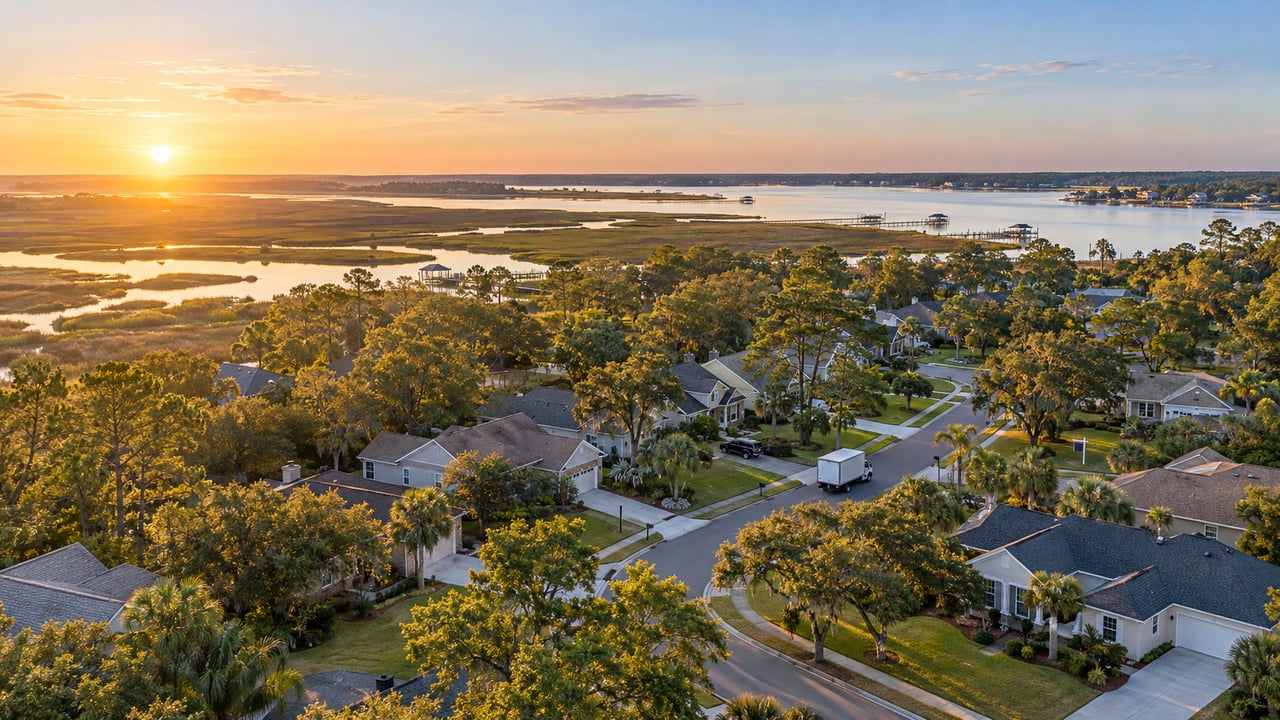
This creates a market where buyers may have negotiating leverage on the property but less flexibility within their monthly payment.
Jacksonville’s housing market delivered two very different affordability signals this week.
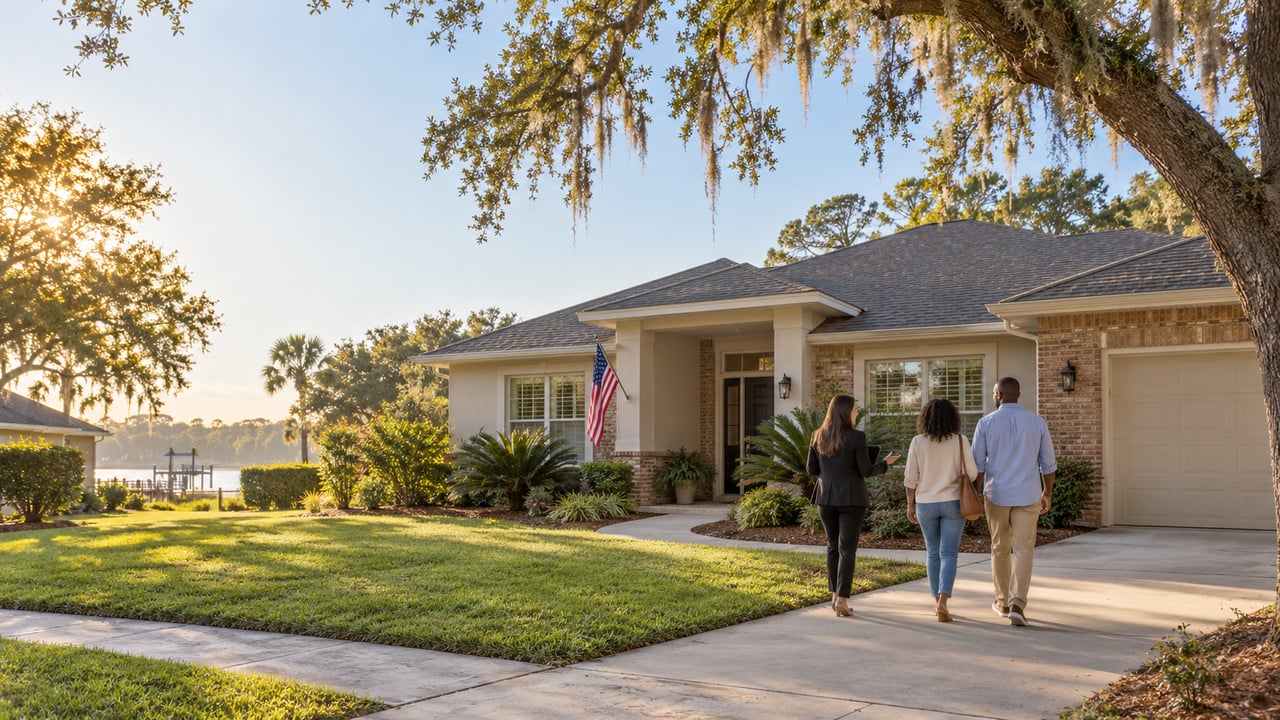
Jacksonville buyers may be entering one of the more favorable shopping periods of the year.

Buyers are still active, but they are being more selective about price, condition, and monthly payment.
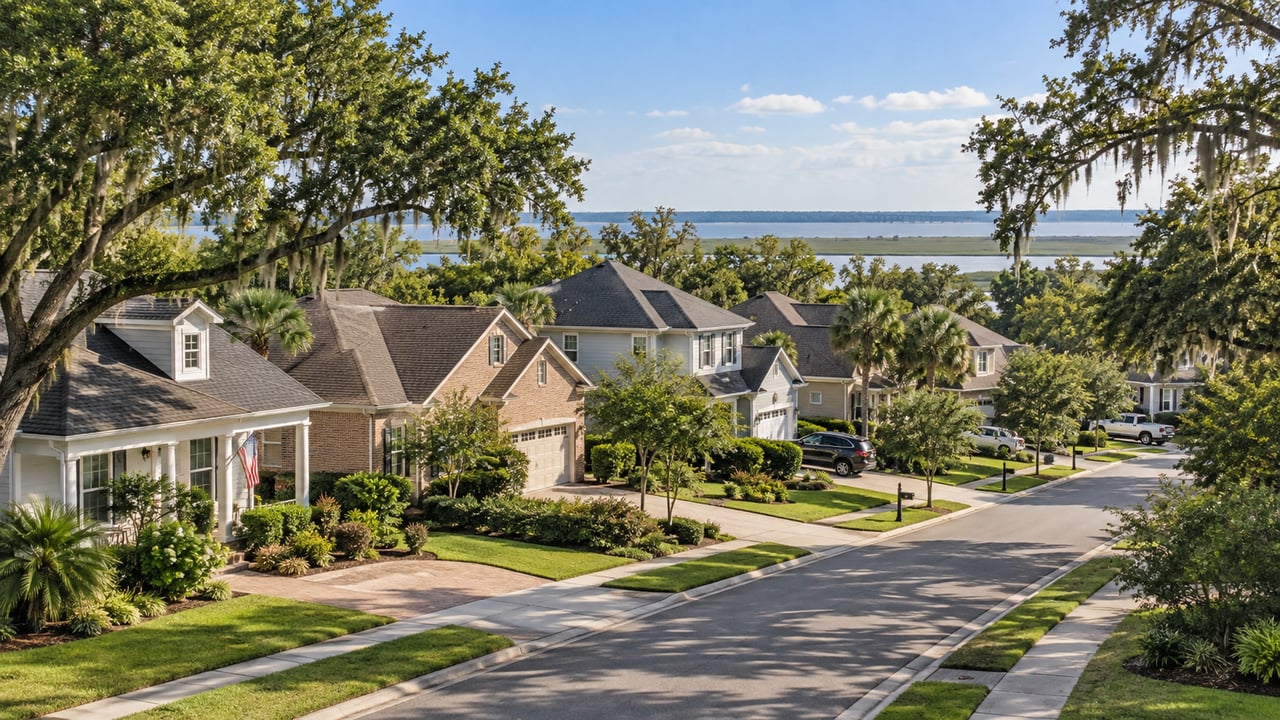
The housing market is sending buyers and sellers two different messages as we move further into September.
Buyers Have More Room to Negotiate



You’ve got questions and we can’t wait to answer them.